

SCAN THE BARCODE TO AVAIL FREE SERVICES:
-
.png) Diet plan.
Diet plan.
-
Calorie counter.
-
Step / physical activity counter.
-
Gut friendly recipies.
-
Yoga exercises content.

Yoga
Yoga plays a significant role in promoting gut health through various
mechanisms.
Here are several ways in which yoga can contribute positively to digestive
function and overall gut health:
Stress Reduction:
Chronic stress can negatively affect digestion and lead to issues like bloating, constipation, or irritable bowel syndrome (IBS). Yoga practices, particularly those focusing on breath control (pranayama) and relaxation, help reduce stress hormones and promote a sense of calm, which can positively influence gut health.

Improved Blood Circulation:
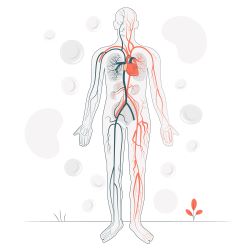
Many yoga poses enhance blood flow to the abdominal organs, improving the delivery of oxygen and nutrients to these areas, which can enhance digestive function.
Activation of the Vagus Nerve:
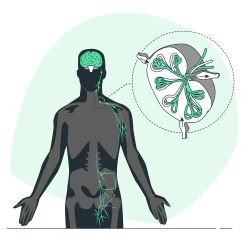
Certain yoga poses and breathing techniques stimulate the vagus nerve, which plays a critical role in the parasympathetic nervous system. This activation helps to promote the 'rest and digest' state, encouraging better digestion and reducing symptoms related to gastrointestinal distress.

Increased Awareness of Body Signals:
Practicing yoga enhances body awareness, leading individuals to better understand their bodily sensations and responses. This awareness can help individuals identify foods that may cause discomfort and encourage healthier eating habits.
Encouragement of Healthy Habits:
Engaging in a regular yoga practice often motivates individuals to adopt a healthier lifestyle overall, including better dietary choices, hydration, and sleep, all of which are essential for maintaining good gut health.

Poses that Aid Digestion:
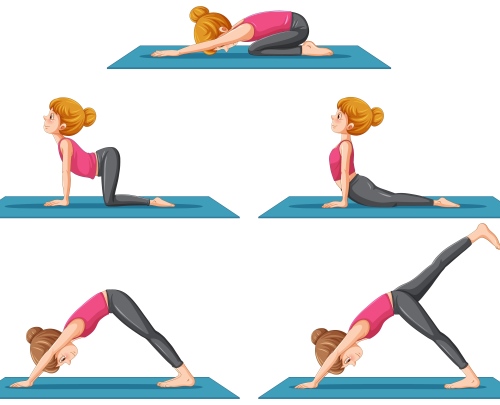
Specific yoga poses can directly stimulate the digestive organs and help alleviate symptoms related to digestive issues. For example, poses like seated forward bends, twists, and certain restorative poses can promote movement in the intestines and alleviate discomfort.

Mind-Body Connection:
Yoga encourages a strong mind-body connection, which can help individuals manage symptoms of gastrointestinal disorders more effectively by focusing on mindfulness practices that enhance emotional well-being.

Regularity and Routine:
The physical component of yoga encourages a regular practice that can help regulate bowel movements and improve overall digestive health due to consistent physical manifestation and movement of the body.
Inflammation Reduction:
Regular yoga practice has been shown to reduce markers of inflammation in the body, which may help in managing inflammatory gastrointestinal conditions.
Support for Gut Microbiome:
While more research is needed, there's emerging evidence that yoga and similar movement practices may positively influence the gut microbiome, potentially improving gut flora diversity, which is crucial for overall gut health.

In summary, incorporating yoga into a regular routine can lead to various improvements in gut health, primarily by reducing stress, improving digestion, enhancing body awareness, and promoting healthy lifestyle habits. Each individual's experience may vary, so it's always good practice to consult healthcare providers when managing specific digestive issues.
30 Days of Yoga
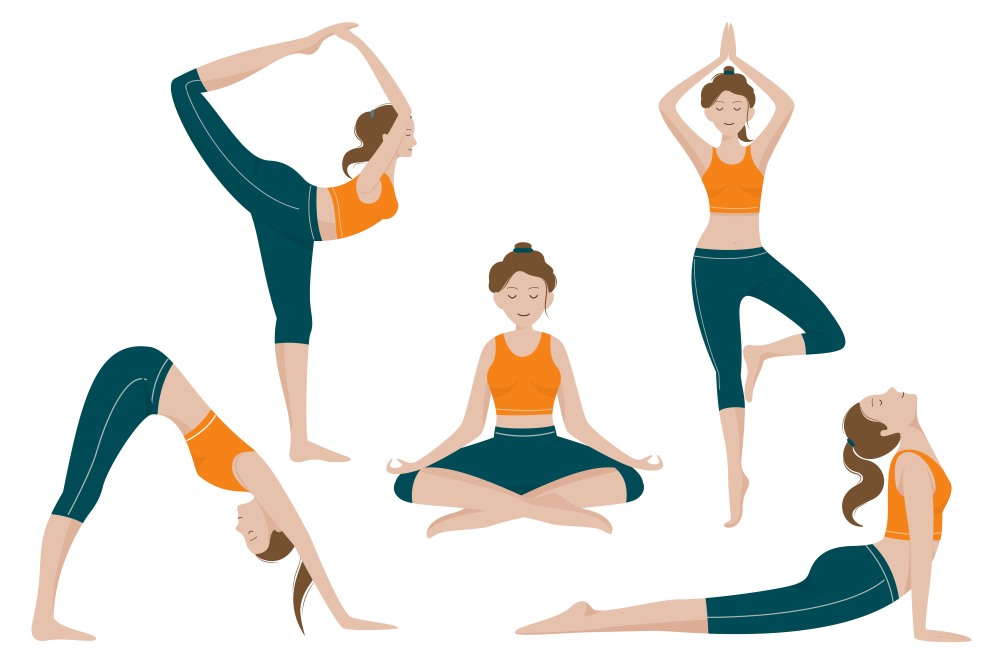

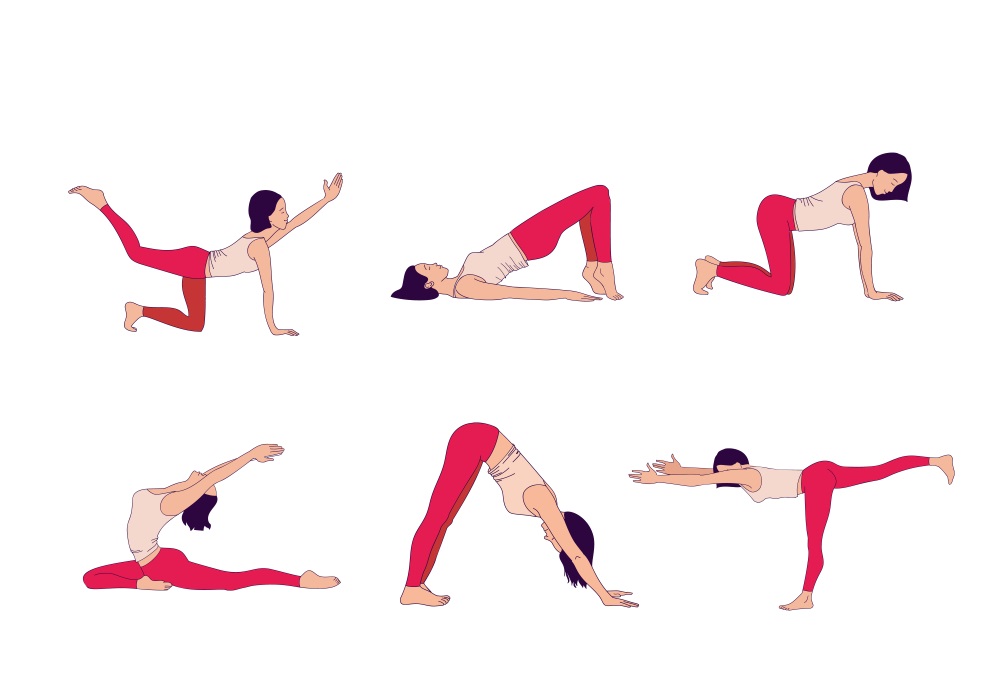
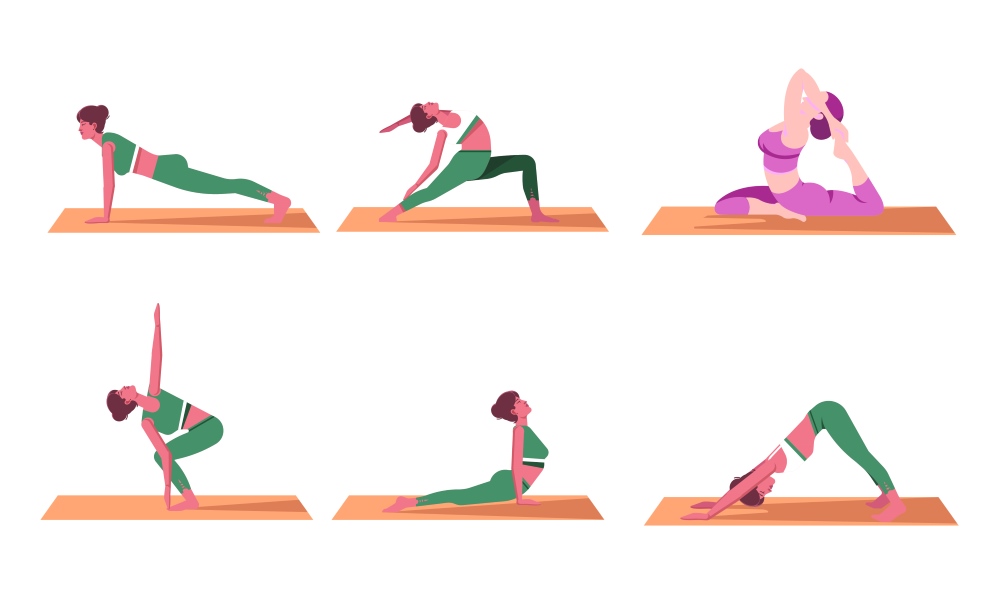
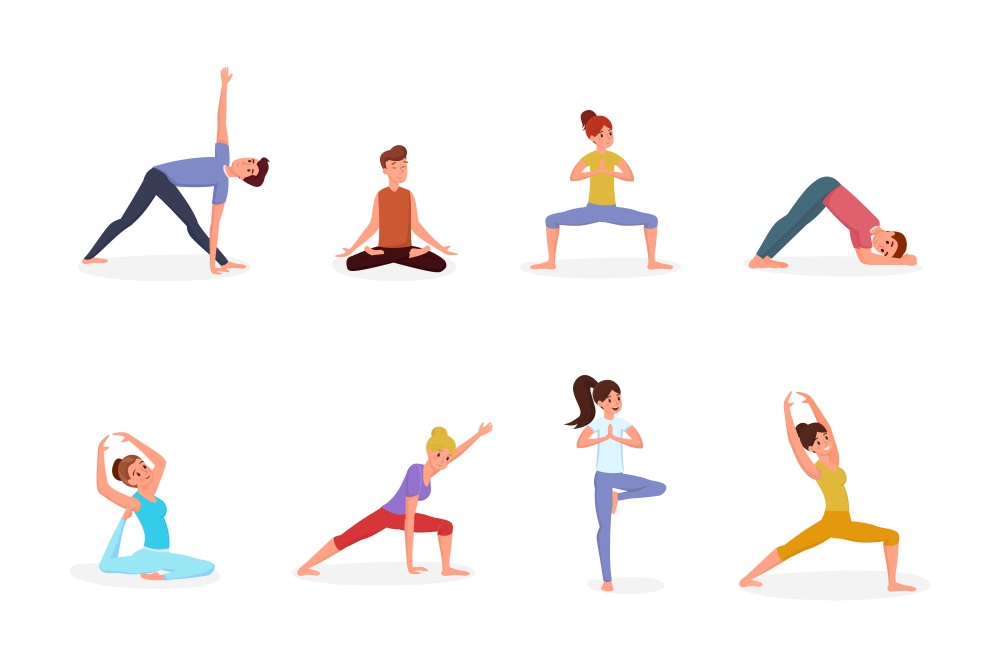

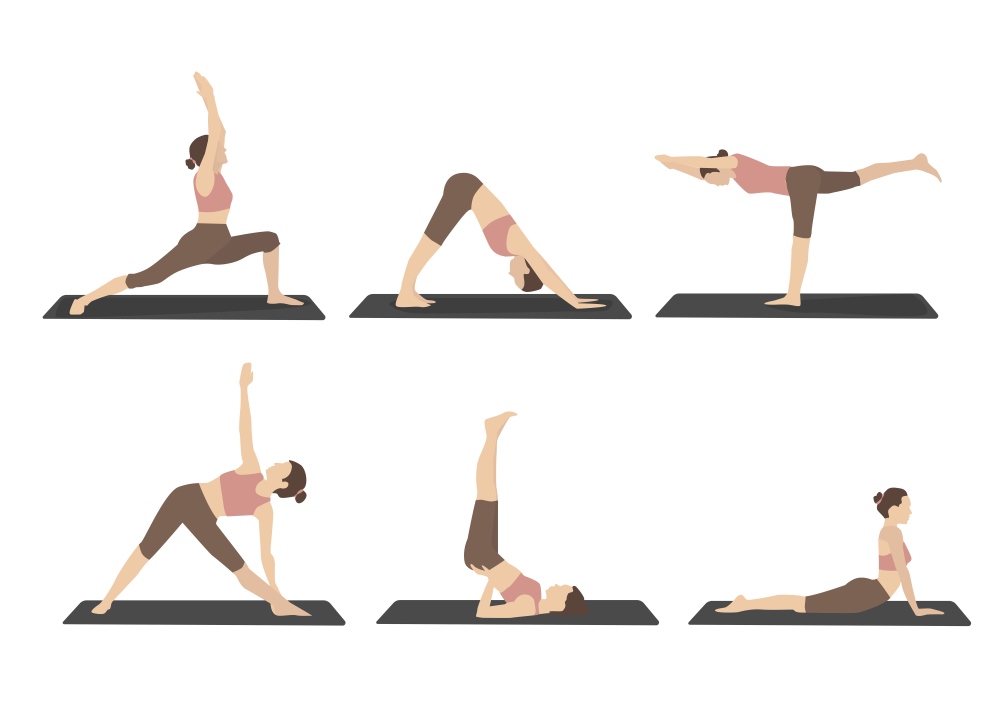
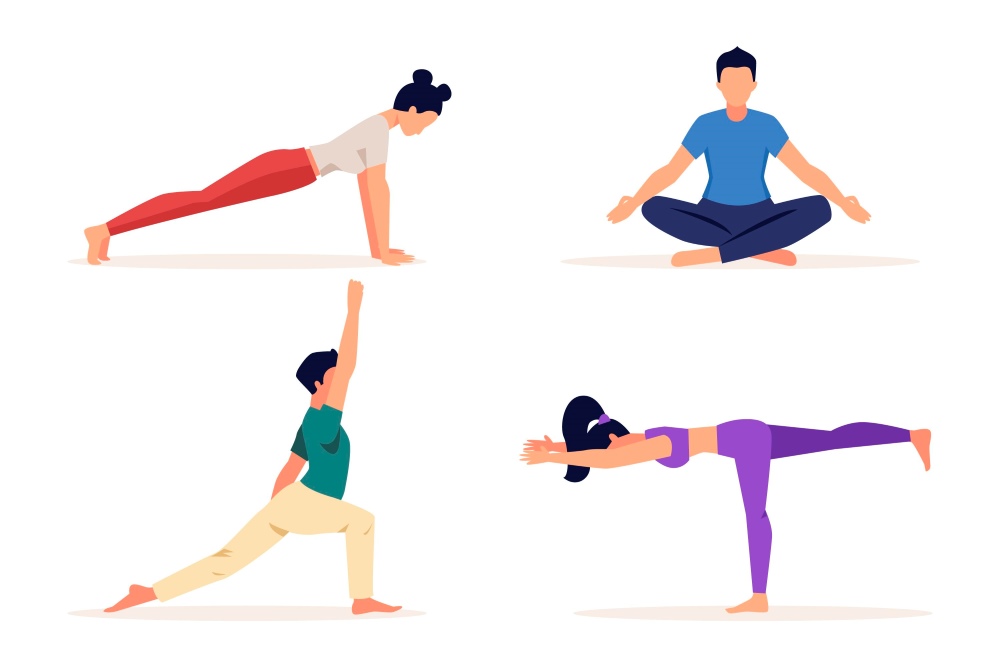
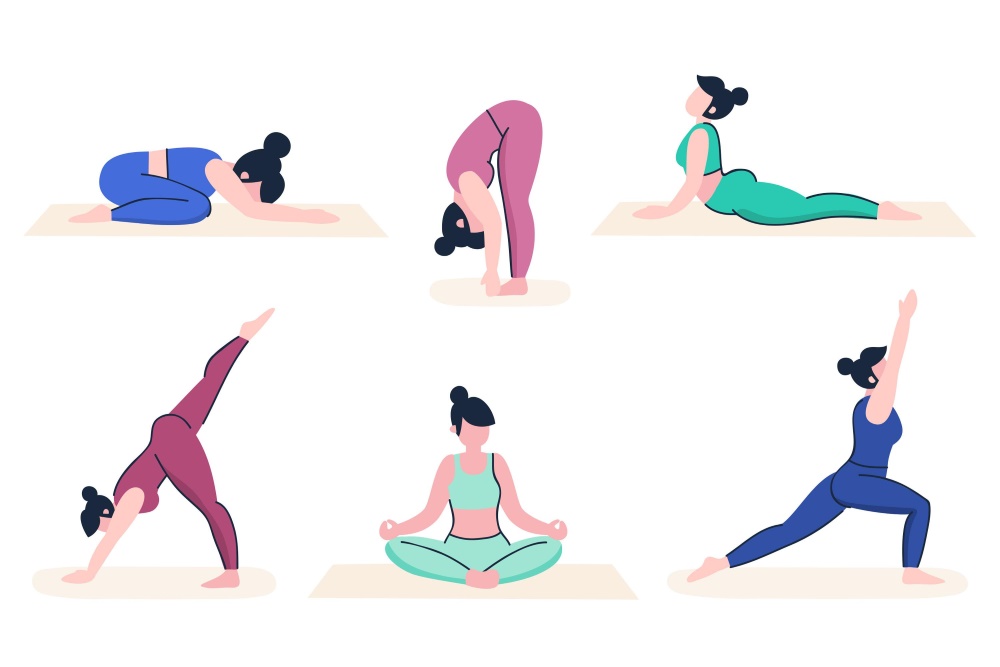
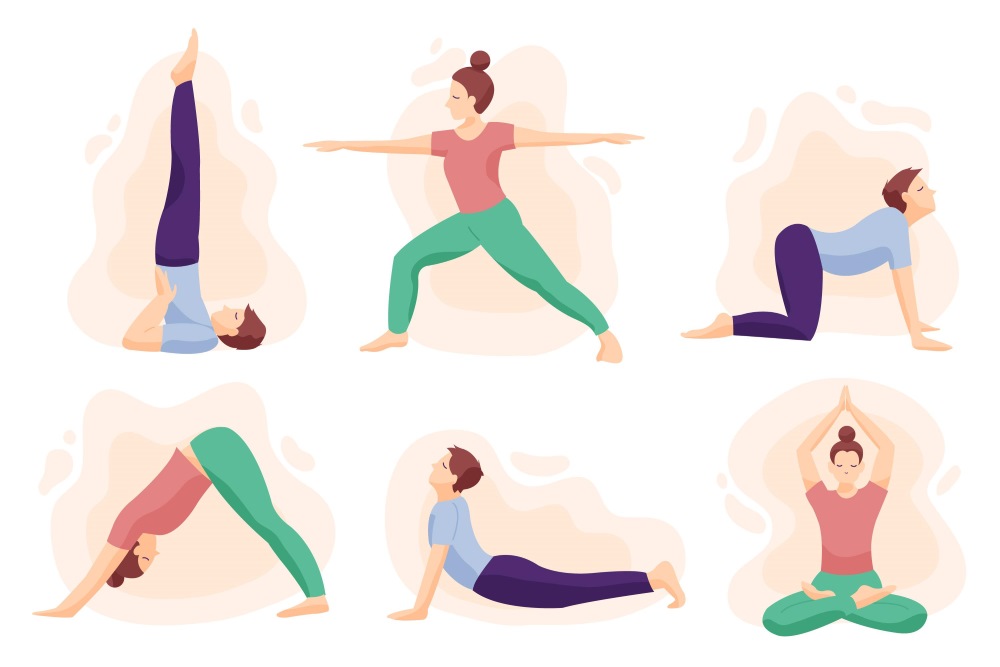



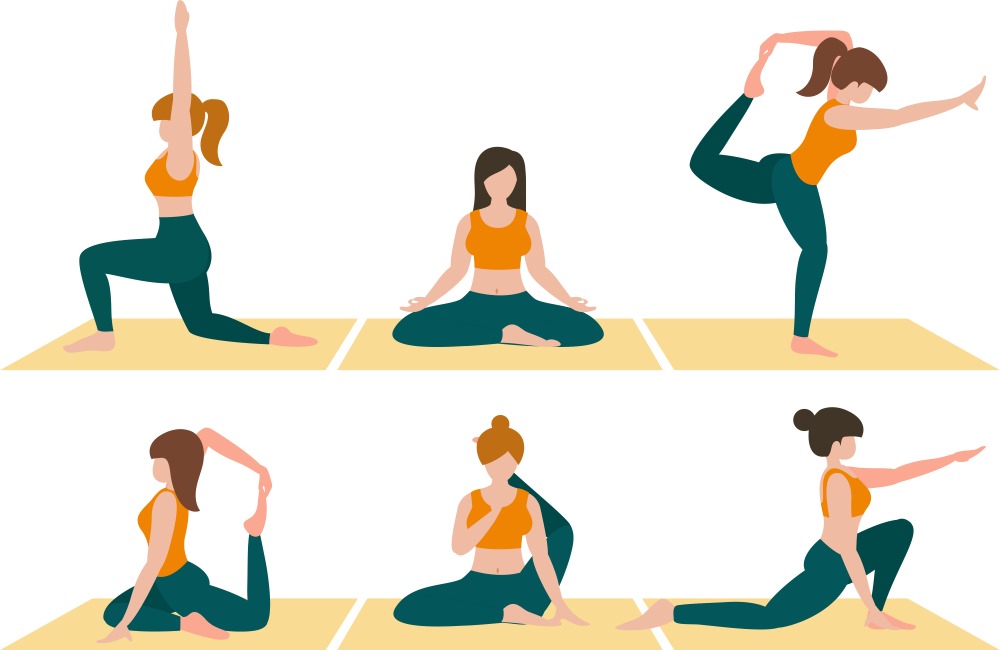
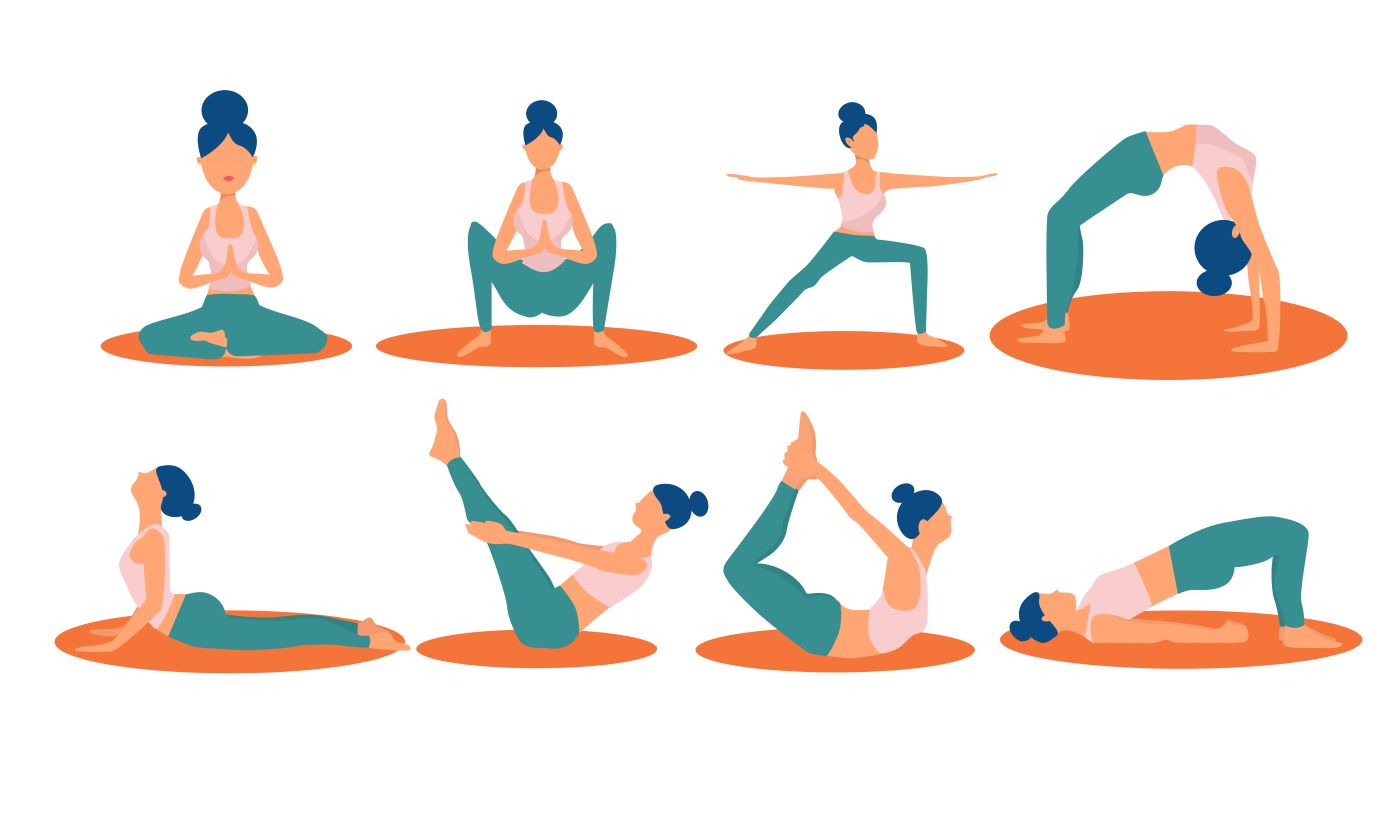
Yoga Videos
1. When there is bloating, a person feels their stomach full like nothing is going down, the food is stuck in the upper abdomen, and it is an uncomfortable situation. Usually, it happens because of food intolerance. The buildup in the gut can be liquid, gas, or even solid. The person suffering does not feel like eating properly, because of this, the appetite goes down. Bloating usually occurs when there is gas stuck in the stomach.
🚫 One should avoid -
- Fizzy drinks
- Eating too quickly and swallowing air too
- And having an excess of carbohydrates
✅ Yogic Management - Parvatasana
This asana is advised because it pushes the gas and other foreign matter down, which is there in the upper abdomen, and this relieves the bloated condition. Not only this, as bloating relieves, Parvatasana betters overall body respiration, makes the mind grounded, strengthens arms, reduces belly fat, and improves skin & hair too.
2. The liver should be kept healthy; do not spoil it with alcohol, unhealthy food, or drug abuse. The liver is the detoxifying organ of our body, which will naturally detoxify us if it is kept in good shape. It produces bile, which helps carry away waste and break down fats in the small intestine during digestion. Also, it cleanses the blood, so having a healthy liver is very important. Among the Asanas, Pashchimottan Asana is best for the liver. It massages the entire upper abdominal and lower abdominal region, especially the upper abdomen, consisting of liver, pancreas, and spleen, and the lower abdomen, consisting of genitals and kidneys.
✅ Hold your feet and go as far as you can and hold there. Bring your forehead closer to your knees. The asana is very grounding, and respiration also becomes better.
🚫 Point to remember: Not to be done by people suffering from sciatica, slipped disc, and hernia.
3. Acid reflux can play havoc with us. When the acid from the stomach comes to the upper food pipe, it causes irritation in it.
❄This can happen because of eating late at night, or eating too much fried foods, and even because of smoking and alcohol intake. Try not to lie down when such a thing is happening.
✅ To ease the burning sensation, sit up, or better sit in Vajrasana. The sour liquid will not come to the throat. With Vajrasana, the digestive power will increase, and slowly the acid will come down. And a few other remedies like having lemonade, the irritation in the food pipe will go.
☀ Not only this, Vajrasana also affects the nerve impulses and blood flow in the pelvic area and strengthens the pelvic muscles. It increases the efficiency of the entire digestive system.
Also very good in preventing hernia, giving relief in ulcers, piles, hydrocele, and Menstrual disorders. ❌ Note: Vajrasana should not be done in severe knee pain or arthritis.
✅ Plus point: People suffering from Sciatica can sit in Vajrasana
4. Indigestion causes discomfort in the stomach, also bloating and gassiness coupled with it become very troublesome for anyone. 🚨 Usually, this condition happens because of overeating, having spicy food, smoking, drinking alcohol, high caffeine intake, and also because of high anxiety.
✅ In Yoga, Padhastasana is very effective for easing the upset stomach. All you have to do is bend forward as you exhale and stay in that asana. The stomach should go close to the thighs, and the knees should remain straight. The forehead will come close to the knees.
❌ People with severe back pain and herniated abdomen, heart disease, or high blood pressure should not do it, or do it under the observation of an experienced Yoga instructor.
✅ Padhastasana also gives relief in constipation, flatulence, and also in eradicating belly fat.
5. Loss of Appetite (Anorexia)
It happens when the fire element (Jathar Agni) is reduced in the body. Essentially, fire reduces in the body with Aging, sometimes because of Nervousness, Anxiety, or Overthinking, and when a person is deeply grieving because of something.
✅ To alleviate this condition, Adha matsyendrasana is very effective. It is simple to do and especially targets the abdominal area. By keeping the knee very close to the abdomen, it presses that area; in turn, the right hormones get secreted from the liver, pancreas, and spleen, which increases the appetite.
✅ It should be done on both sides, and one should do it for extended periods, 5-10 minutes regularly.
✅ Observe the spinal twist also in this Asana, because sometimes muscles that are very close to the spine remain untouched for months and years, so those muscles should also be stretched and tension should be released.
✅ Also, the asana relieves lower back pain and muscle spasms.
🚫 Pregnant women
🚫People with sciatica
🚫 People with slipped discs
Should not do Ardh Matsyendrasana.
6. Constipation - Dhanurasana
🌿 Constipation can mess up our body and mind. If it will cause gastric issues, it is even more problematic. To ease it off, Dhanurasana is one of the ways.
✅Dhanurasana - We have to lie on our stomachs, catch our feet from behind, and lift ourselves. Finally, the weight will be on our stomach. It is ideally practiced after bhujangasana.
✅If you have high blood pressure, a weak heart, a hernia, or colitis, it shouldn't be practiced.
✅ Secretions of the pancreas and adrenal become normal. Belly fat will also come down.
In chronic constipation, dyspepsia, and gastrointestinal disorders, Dhanurasana is very good.
Also very useful in managing diabetes, removing stiffness, and correcting hunching of the upper back.
Disclaimer: The Gut Health Score Report is for wellness and educational purposes only, not medical diagnosis or treatment. Consult a qualified healthcare professional before making health changes. The creators disclaim liability for actions based on this report. Users are responsible for decisions made with professional guidance.
