

SCAN THE BARCODE TO AVAIL FREE SERVICES:
-
.png) Diet plan.
Diet plan.
-
Calorie counter.
-
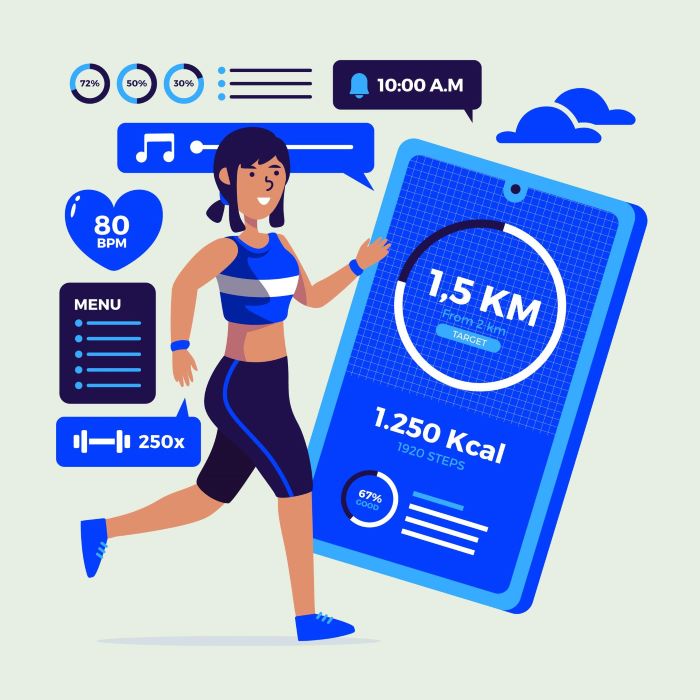
Step / physical activity counter.
-
Gut friendly recipies.
-
Yoga exercises content.

Exercise
Yoga plays a significant role in promoting gut health through various
mechanisms.
Here are several ways in which yoga can contribute positively to digestive
function and overall gut health:
1. Microbiome Diversity:
Exercise has been associated with increased diversity in the gut microbiome. A diverse microbiome is generally linked to better health outcomes, including improved immune function and reduced risk of various diseases.

2. Enhanced Gut Motility:
Regular physical activity can enhance gastrointestinal motility, which helps in the efficient movement of food through the digestive tract. This can alleviate issues such as constipation and promote regular bowel movements.


3. Anti-Inflammatory Effects:
Exercise can help reduce inflammation in the body. Since chronic inflammation is linked to various gastrointestinal disorders, reducing it through regular activity may support gut health.
.jpg)
4. Stress Reduction
Physical activity is known to reduce stress and improve mental health. High levels of stress can negatively affect gut health, so managing stress through exercise can have beneficial effects on the gut.
5. Increased Production of Short-Chain Fatty Acids (SCFAs):
Exercise has been shown to promote the growth of beneficial bacteria that produce SCFAs, which are vital for gut health. SCFAs play a role in maintaining the integrity of the gut lining, regulating inflammation, and providing energy for colon cells.

6. Improved Immune Function:
A healthier gut microbiome, influenced by regular exercise, contributes to a more robust immune system. This can help the body defend against gastrointestinal infections and diseases.


7. Weight Management:
Regular physical activity contributes to maintaining a healthy weight. Obesity is often associated with dysbiosis (an imbalance in gut bacteria) and various gastrointestinal disorders. Exercise can mitigate these risks.
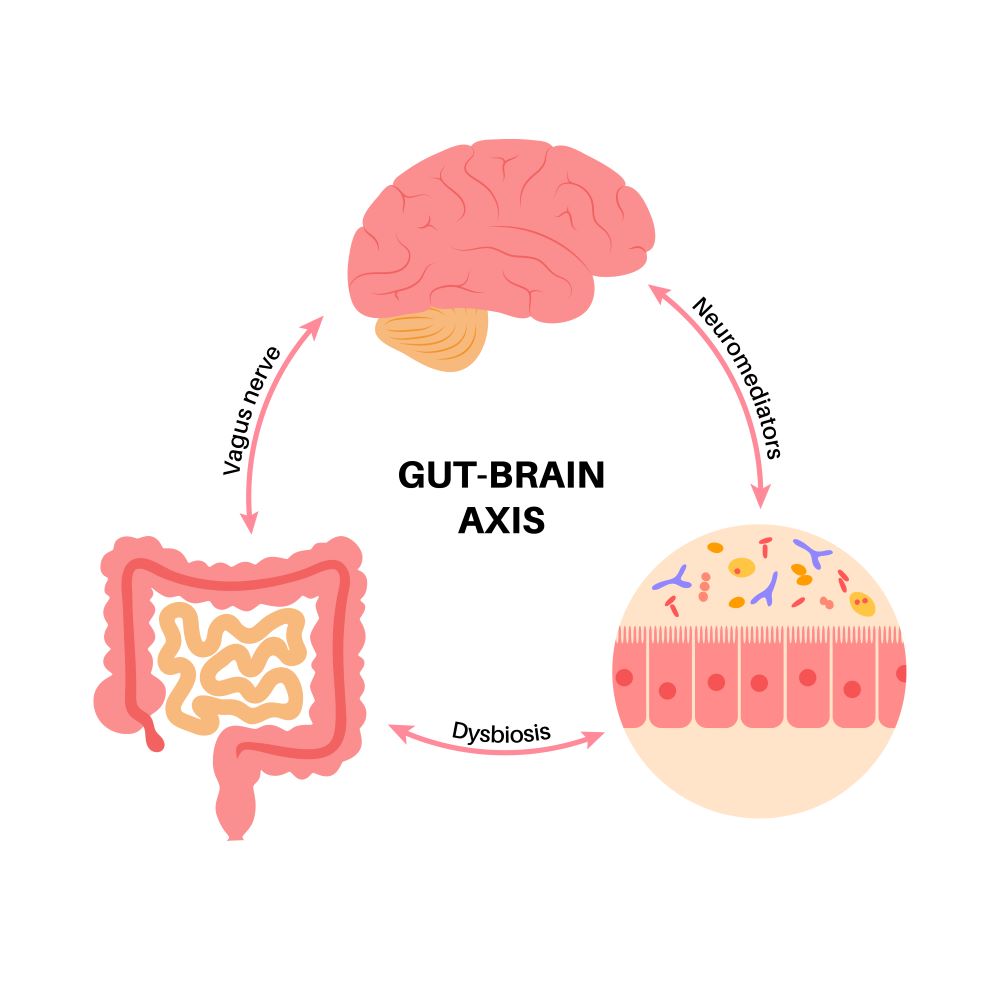
8. Psychobiome Connection:
The gut-brain axis refers to the bidirectional communication between the gut and brain. Exercise can improve psychological well-being, which in turn can influence gut health through this connection.
9. Dietary Considerations:
Exercise can encourage healthier eating habits, leading to better nutritional intake that supports gut health. Foods rich in fiber, for example, are beneficial for maintaining a healthy microbiome.

10. Type and Intensity of Exercise:
Different types of exercise (aerobic, strength training, high-intensity interval training) may have varying impacts on gut health. Moderate, regular exercise is generally considered most beneficial, while excessive high-intensity exercise may sometimes adversely affect gut health in some individuals.
Conclusion
In summary, incorporating regular physical activity into your routine can significantly benefit gut health through a variety of mechanisms. However, it's essential to find a balanced approach to exercise that suits individual capabilities and preferences. As with any health-related endeavor, it's wise to consult with healthcare professionals when making significant changes to exercise routines or lifestyle

Disclaimer: The Gut Health Score Report is for wellness and educational purposes only, not medical diagnosis or treatment. Consult a qualified healthcare professional before making health changes. The creators disclaim liability for actions based on this report. Users are responsible for decisions made with professional guidance.
