

SCAN THE BARCODE TO AVAIL FREE SERVICES:
-
.png) Diet plan.
Diet plan.
-
Calorie counter.
-
Step / physical activity counter.
-
Gut friendly recipies.
-
Yoga exercises content.

Diet and Gut Health
Diet and gut health are closely interconnected, as the foods we consume can significantly influence the composition and function of our gut microbiota—the diverse community of microorganisms living in our intestines. A healthy gut microbiome is essential for digestion, immune function, mental health, and overall well-being. Here are some key aspects of how diet affects gut health:
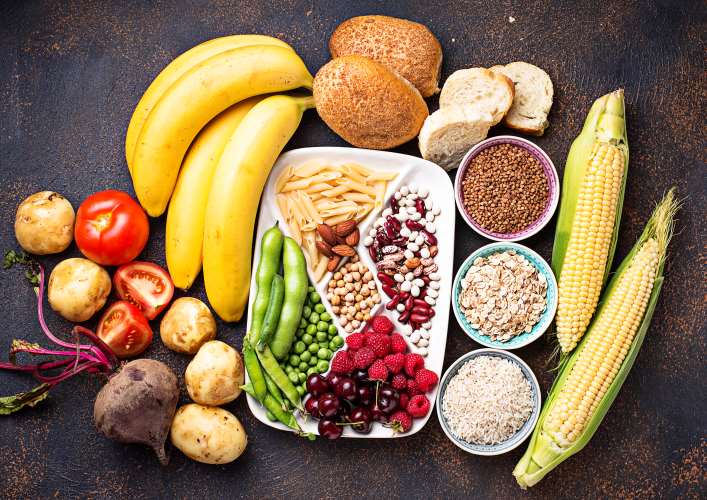
1. Fiber-Rich Foods
Prebiotics:
Prebiotics are a group of nutrients that are degraded by gut microbiota. They are non-digestible food components that feed the intestinal bacteria.
Variety:
Dietary fibers, fruits, vegetables, whole grains, legumes, and nuts contribute to promoting a diverse microbiome
2. Fermented Foods:

Probiotics:
Probiotics are microorganisms that already live in our large intestine and have a beneficial role on our body. Foods such as yoghurt, sauerkraut, kimchi, kefir, kaanji, and kombucha contain live bacteria that can help maintain or restore gut health.
Benefits:
Consuming fermented foods can improve digestion, reduce symptoms of irritable bowel syndrome (IBS), and may enhance immune function.
3. Limit Processed Foods:
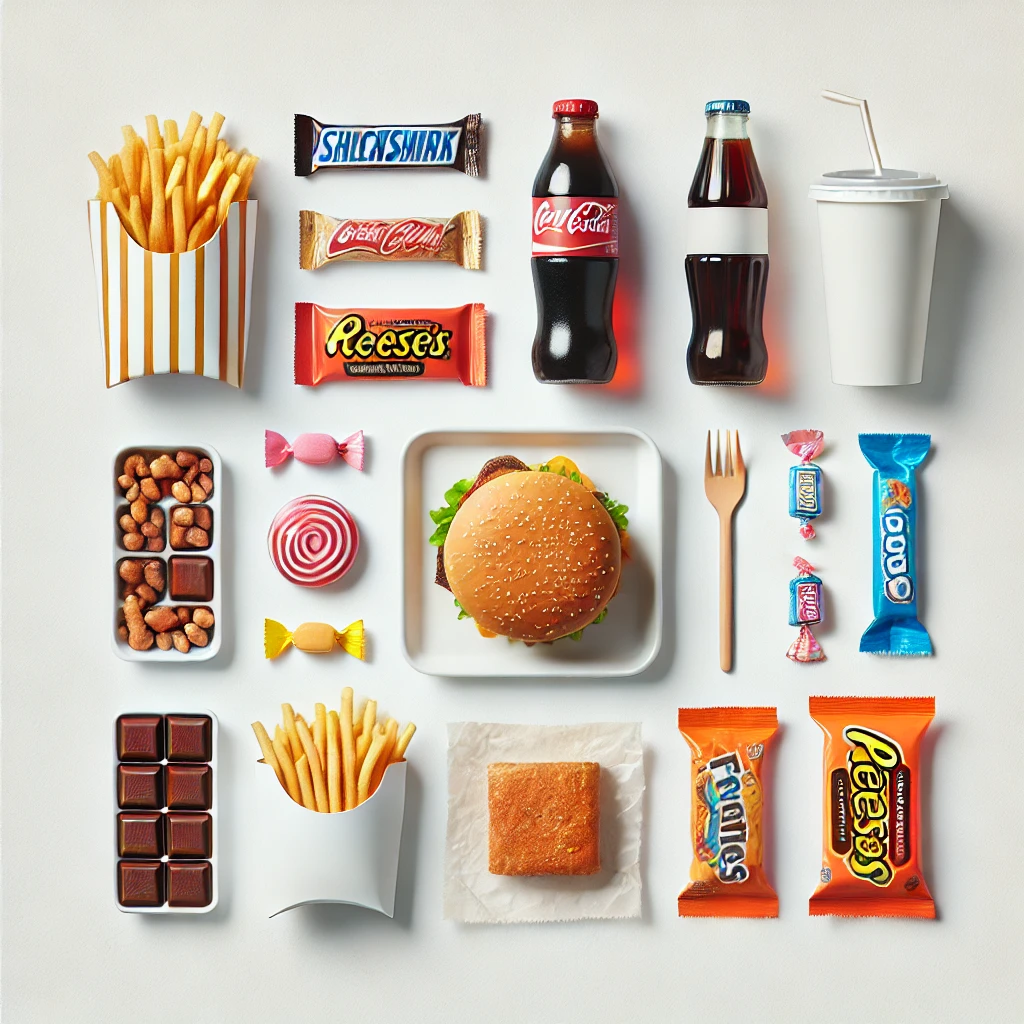
High intake of processed foods, added sugars, and unhealthy fats can negatively impact gut health by promoting the growth of harmful bacteria and reducing microbial diversity.
4. Balanced Diet:
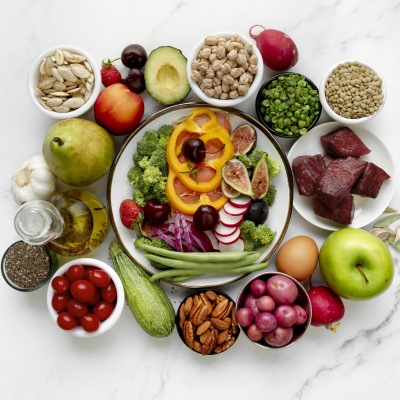
A balanced diet emphasizes consuming a variety of foods from all food groups. This includes cereals, pulses, vegetables, fruits, milk & milk products, and healthy fats. It supports overall growth and development, optimum brain function, maintains health, immune function, etc.
5. Hydration:
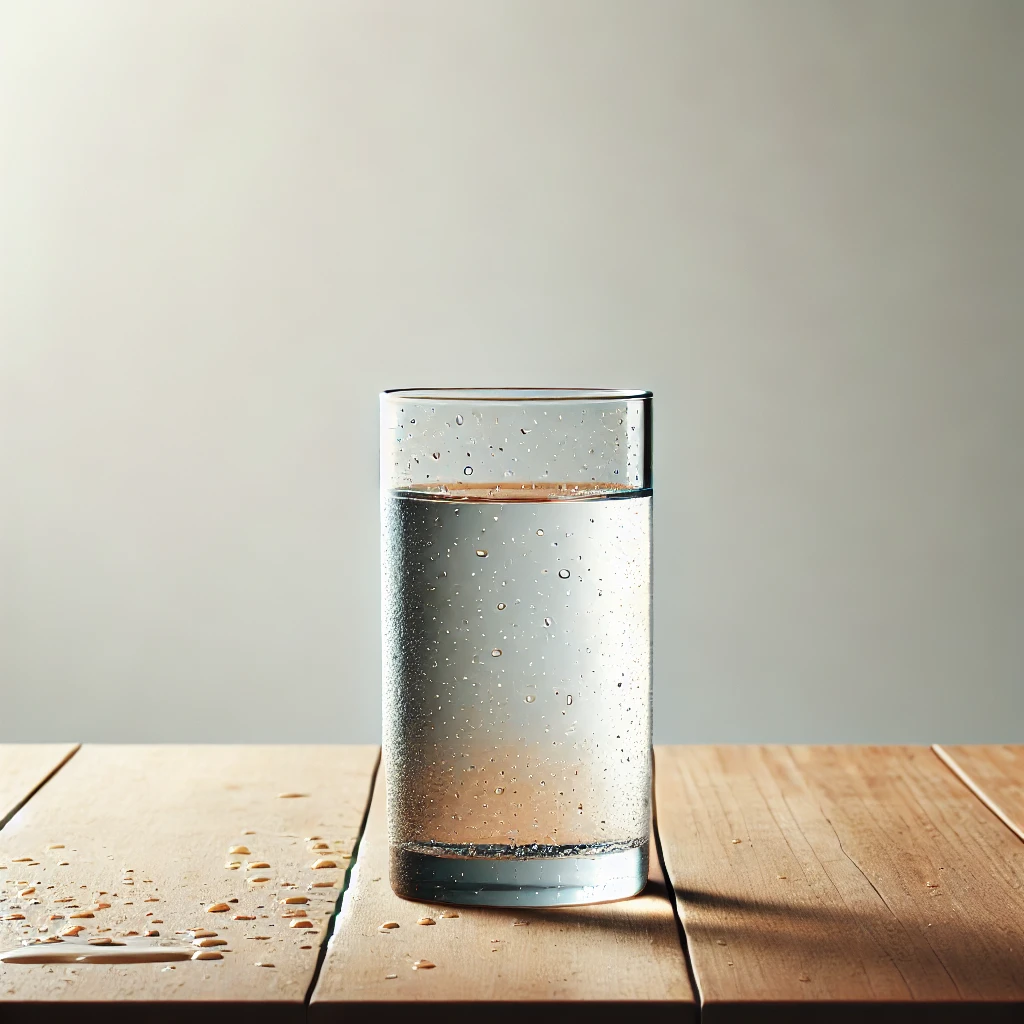
Drinking plenty of water is essential for digestion and helps maintain a healthy mucosal lining in the intestines, supporting the growth of beneficial microbiota.
6. Avoiding Artificial Sweeteners:

Some studies suggest that artificial sweeteners can negatively affect gut bacteria and lead to metabolic issues.
7. Omega-3 Fatty Acids:
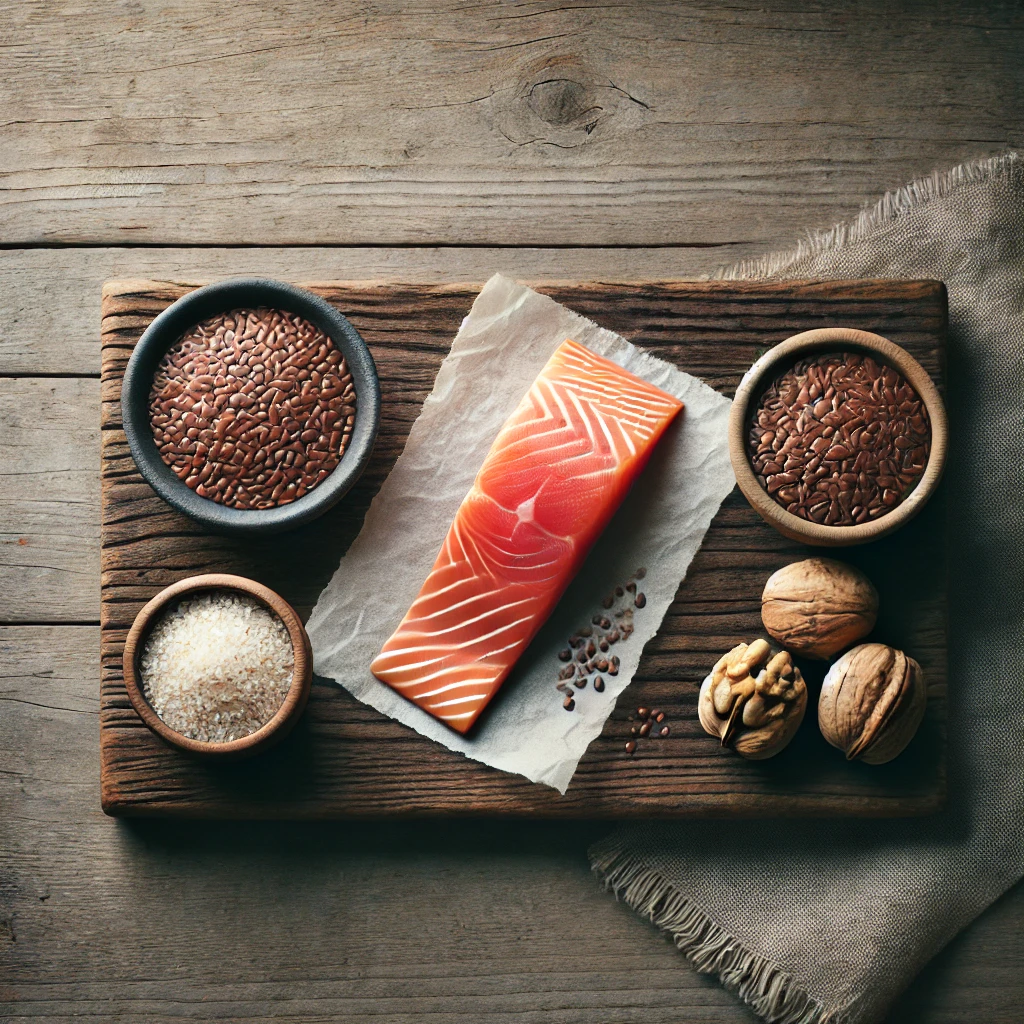
Found in fatty fish, flaxseeds, and walnuts, omega-3 fatty acids have anti-inflammatory properties that can benefit gut health.
8. Mindful Eating:

Stress can negatively impact gut health, so practicing mindful eating, which involves paying attention to hunger cues and eating slowly, can benefit digestion and gut function.
9. Personalization:

Individual responses to certain foods can vary widely. It may be helpful to keep a food diary or consult with a healthcare professional or dietitian to tailor dietary choices based on personal health needs.
10. Dairy Sensitivity:
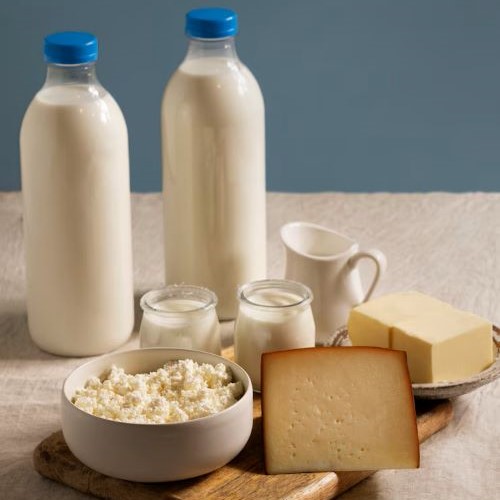
While fermented dairy may be beneficial, some individuals may be lactose intolerant or sensitive to dairy, which could lead to digestive issues.
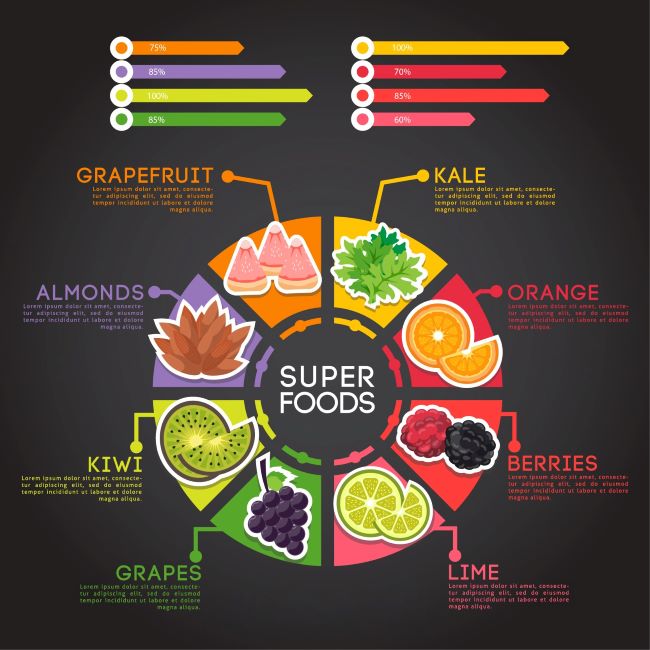
11. Polyphenols and Gut Health:
Polyphenols:
These are secondary metabolites of plants and mainly come from fruits and vegetables. Foods such as dark chocolate, green tea, berries, grapes, apples, soybeans, whole grains/pulses, etc., are a rich source of polyphenols.
Impact on Gut:
They act as antioxidants that protect the gut lining from oxidative stress. also act as a prebiotic, nourish bacteria like Bifidobacterium and Lactobacillus while suppressing the harmful bacteria.
12. Spices and Herbs for Gut Health:
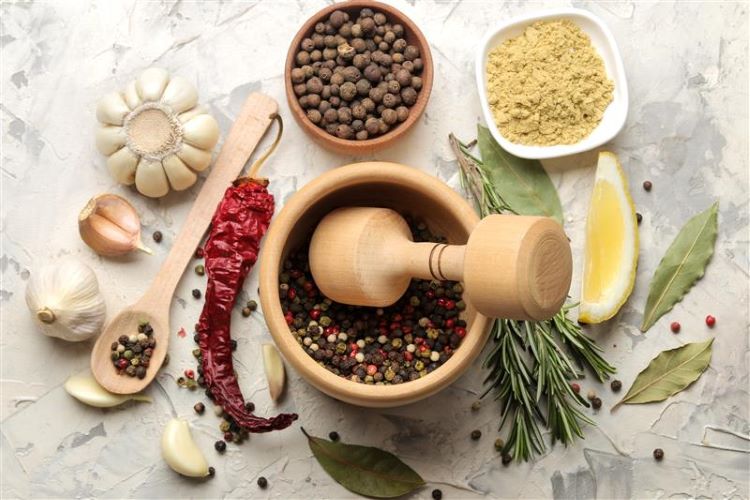
Anti-inflammatory Properties:
Certain spices and herbs, such as turmeric, ginger, and cinnamon, have anti-inflammatory and antimicrobial properties that can help protect and support gut health.
Digestive Benefits:
Ginger, for instance, can alleviate nausea and improve digestion, while turmeric's active compound, curcumin, may reduce gut inflammation and improve overall gut function.
13. Gut-Friendly Cooking Methods:
Avoid Overcooking:
Overcooking or frying foods can destroy their nutritional content and harm gut-friendly bacteria. Opt for gentle cooking methods like steaming, baking, or sautéing to preserve nutrients and support gut health.
Raw and Lightly Cooked Vegetables:
Eating raw or lightly cooked vegetables maximizes their fiber content and nutrient density, which helps nourish gut bacteria.

14. Antibiotic Use and Gut Health::
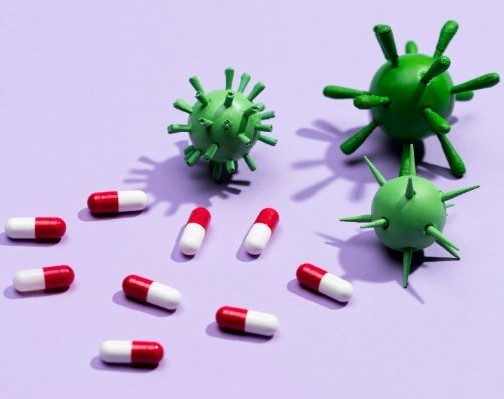
Impact on Microbiome:
Antibiotics can disrupt the gut microbiota by killing both harmful and beneficial bacteria. It is important to take antibiotics only when necessary and under a doctor's guidance to avoid long-term disruption of gut health.
Restoring Balance:
After antibiotic use, it may be helpful to consume probiotics and prebiotics to restore the balance of good bacteria in the gut and prevent digestive issues.
15. The Role of Gut-Resistant Starches:
What is resistant starch?
Resistant starch is a type of starch that doesn't get digested completely in our small intestine but is digested in our large intestine by the gut microbiome. They act as a prebiotic and promote good gut health.
Sources:
Cooked and cooled rice, potatoes, green bananas, beans.
Gut Health Benefits:
Resistant starch helps improve gut health by increasing the production of short-chain fatty acids (SCFAs), which nourish gut cells, reduce inflammation, and enhance gut motility.

16. Gut Health and the Mediterranean Diet:
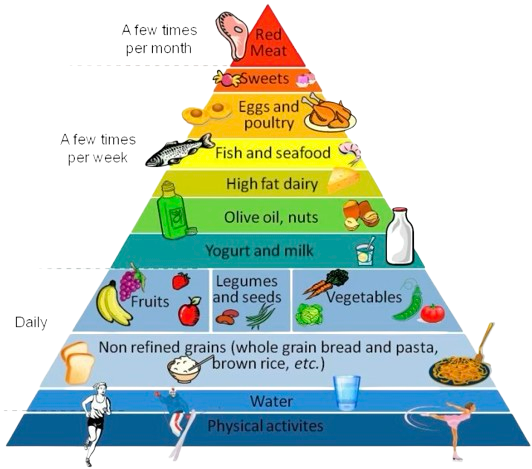
The Mediterranean Diet:
This diet is rich in fiber, healthy fats (especially olive oil), and plant-based foods. Studies have shown that it is beneficial for gut health due to its focus on whole grains, vegetables, fruits, legumes, and fish.
Gut Benefits:
The Mediterranean diet promotes a diverse gut microbiome, supports digestive health, and has anti-inflammatory properties that protect the gut lining and help manage conditions like IBS.
17. Gut Health and Vitamin D:
Vitamin D and the Gut Microbiome
Vitamin D plays a critical role in regulating the immune system and gut health. Adequate vitamin D levels help modulate the gut microbiota and enhance the gut's immune defence.
Sources of Vitamin D:
Vitamin D can be obtained through sunlight exposure, fortified foods, and foods like fatty fish, egg yolks, and mushrooms.

18. The Role of Zinc in Gut Health:
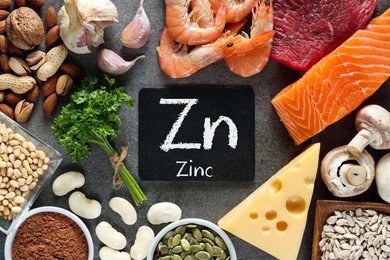
Zinc and Gut Function:
Zinc is essential for maintaining the gut lining, supporting digestive enzymes, and promoting the proper function of the immune system. A deficiency in zinc can lead to digestive issues and a weakened gut barrier.
Sources of Zinc:
Zinc is found in foods such as oysters, beef, chickpeas, pumpkin seeds, and lentils. Including these foods in your diet can help improve gut health and immunity.
19. Alcohol and Gut Health:
Impact of Excessive Alcohol:
Excessive alcohol consumption can disrupt the gut microbiome, increase gut permeability, and contribute to conditions such as leaky gut, inflammation, and digestive disorders.
Moderation is Key:
If you consume alcohol, moderation is important. Opting for drinks with fewer additives and sugars, such as red wine, may be less disruptive to gut health compared to sugary cocktails or high-alcohol beverages.

References and Good Reads:
Maintaining good gut health requires a holistic approach that integrates a balanced diet, proper hydration, and mindful eating. Prioritizing whole, unprocessed foods, such as fiber-rich fruits, vegetables, whole grains, and legumes, supports a diverse and healthy microbiome. Including fermented foods and probiotics, along with healthy fats and antioxidants, helps promote digestion, reduce inflammation, and enhance immune function. It's also important to limit processed foods, added sugars, and artificial sweeteners, which can harm gut bacteria. Managing stress and eating mindfully can further improve gut health. Additionally, incorporating polyphenols, spices like turmeric and ginger, and resistant starches from foods like beans and potatoes can support gut function. Maintaining adequate vitamin D, zinc, and omega-3 intake, as well as following diets like the Mediterranean diet, can also contribute to gut well-being. For personalized advice, especially in the case of specific health concerns, consulting with a healthcare professional or dietitian is always recommended.
References and Good Reads:
- Digestive system problems are common and cause symptoms such as gas, heartburn, bloating and constipation. A variety of factors may impact digestive system health, including age and other health conditions. Eating for your gut is one important way to promote digestive health and prevent symptoms. https://www.hopkinsmedicine.org/health/wellness-and-prevention/eating-for-your-gut
- he new ICMR dietary guidelines for Indians aim to uplift a balanced diet, healthy eating habits, and an active lifestyle. By following these recommendations, individuals can improve their overall health, prevent nutritional deficiencies, and reduce the risk of chronic diseases. Adopting these guidelines can lead to a healthier, more vibrant population, better equipped to face the challenges of modern living. https://www.netmeds.com/health-library/post/icmr-dietary-guidelines-2024-find-out-17-specific-recommendations-for-better-health
- Professor Terry Bolin, gastroenterologist and Founder of The Gut Foundation, says it’s crucial to get regular doses of fibre & probiotics .“The Gut Foundation shares a passion for improving the gut health of people” he said https://gutfoundation.com.au/6-steps-to-good-gut-health
- The best diets to support a healthy and diverse gut microbiome are ones that feed the gut with foods rich in fiber, prebiotics and probiotics https://health.usnews.com/best-diet/best-gut-health-diets
- Given the central role of the digestive tract and its related organs in the processes of digestion and absorption, it should come as no surprise that the food we eat has critical and complex interactions with the gastrointestinal tract and its contents, including the microbiota. https://www.worldgastroenterology.org/UserFiles/file/guidelines/diet-and-the-gut-english-2018.pdf
- A healthy balanced diet is crucial in protecting the immune system against infections and diseases. Poor diets, such as the Western diet, contribute to the development of metabolic diseases, hypertension, and obesity. Microbiota, primarily composed of different microorganisms and residing in the gastrointestinal tract (GIT), also play a significant role in maintaining gut health.
- Elucidating the role of diet in maintaining gut health to reduce the risk of obesity, cardiovascular and other age-related inflammatory diseases: recent challenges and future recommendations Tariq Aziz 1, Nageen Hussain 2, Zunaira Hameed 2, Lin Lin 1 https://pubmed.ncbi.nlm.nih.gov/38174551/
- Wang, X., Qi, Y., & Zheng, H. (2022). Dietary polyphenol, gut microbiota, and health benefits. Antioxidants, 11(6), 1212.https://doi.org/10.3390/antiox11061212
- Dahl, S. M., Rolfe, V., Walton, G. E., & Gibson, G. R. (2022). Gut microbial modulation by culinary herbs and spices. Food Chemistry, 409, 135286.https://doi.org/10.1016/j.foodchem.2022.135286
- Lerma-Aguilera, A. M., Pérez-Burillo, S., Navajas-Porras, B., León, E. D., Ruíz-Pérez, S., Pastoriza, S., Jiménez-Hernández, N., Cämmerer, B., Rufián-Henares, J. Á., Gosalbes, M. J., & Francino, M. P. (2024). Effects of different foods and cooking methods on the gut microbiota: an in vitro approach. Frontiers in Microbiology, 14 https://doi.org/10.3389/fmicb.2023.1334623
- Patangia, D. V., Ryan, C. A., Dempsey, E., Ross, R. P., & Stanton, C. (2022). Impact of antibiotics on the human microbiome and consequences for host health. MicrobiologyOpen, 11(1). https://doi.org/10.1002/mbo3.1260
- Chen, Z., Liang, N., Zhang, H., Li, H., Guo, J., Zhang, Y., Chen, Y., Wang, Y., & Shi, N. (2024). Resistant starch and the gut microbiome: Exploring beneficial interactions and dietary impacts. Food Chemistry X, 21, 101118. https://doi.org/10.1016/j.fochx.2024.101118
- Del Chierico, F., Vernocchi, P., Dallapiccola, B., & Putignani, L. (2014). Mediterranean Diet and Health: food effects on gut microbiota and disease control. International Journal of Molecular Sciences, 15(7), 11678–11699. https://doi.org/10.3390/ijms150711678
- Akimbekov, N. S., Digel, I., Sherelkhan, D. K., Lutfor, A. B., & Razzaque, M. S. (2020). Vitamin D and the Host-Gut Microbiome: A brief overview. ACTA HISTOCHEMICA ET CYTOCHEMICA, 53(3), 33–42 https://doi.org/10.1267/ahc.20011
- Wang, J., Mei, L., Hao, Y., Xu, Y., Yang, Q., Dai, Z., Yang, Y., Wu, Z., & Ji, Y. (2024). Contemporary perspectives on the role of vitamin D in enhancing gut health and its implications for preventing and managing intestinal diseases. Nutrients, 16(14), 2352. https://doi.org/10.3390/nu16142352
- Scarpellini, E., Balsiger, L. M., Maurizi, V., Rinninella, E., Gasbarrini, A., Giostra, N., Santori, P., Abenavoli, L., & Rasetti, C. (2022). Zinc and gut microbiota in health and gastrointestinal disease under the COVID‐19 suggestion. BioFactors, 48(2), 294–306 https://doi.org/10.1002/biof.1829
- Day, A. W., & Kumamoto, C. A. (2022). Gut Microbiome Dysbiosis in Alcoholism: Consequences for health and recovery. Frontiers in Cellular and Infection Microbiology, 12. https://doi.org/10.3389/fcimb.2022.840164
Disclaimer: The Gut Health Score Report is for wellness and educational purposes only, not medical diagnosis or treatment. Consult a qualified healthcare professional before making health changes. The creators disclaim liability for actions based on this report. Users are responsible for decisions made with professional guidance.
